How Modern Vehicle Technology Improves Driving Control and Safety
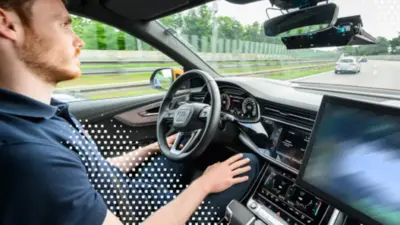
- Safety technologies help improve vehicle control and stability across various road conditions.
- ESP helps keep the vehicle stable during sudden maneuvers or when traction is lost.
- Bosch provides integrated mobility technologies and solutions to support vehicle safety and performance.
Stable vehicle control has become increasingly important as traffic congestion continues to grow in major Indonesian cities. Modern vehicle technologies are now specifically designed to help drivers maintain control, particularly on slippery roads or during sudden maneuvers.
This article explores how modern driving safety systems work, their role in reducing accident risks, and how you can benefit from these technologies for greater comfort and confidence in everyday driving.
Why Modern Vehicle Control Technology Matters for Your Safety
Modern vehicles no longer rely solely on driver reflexes. Electronic systems now work automatically within milliseconds to enhance driving safety, responding far faster than human reaction times.
These technologies help reduce the risk of accidents caused by skidding, understeer, or oversteer during high-speed cornering or on wet roads. The combination of sensors and independently controlled braking systems forms the foundation of modern vehicle control technology.
Electronic Stability Program (ESP): The Foundation of Stable Vehicle Control
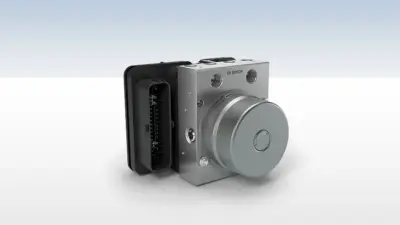
The Electronic Stability Program or ESP, was first developed by Bosch in collaboration with Daimler-Benz and introduced in the Mercedes-Benz S-Class in 1995.
Three decades later, the system has helped prevent approximately 750,000 traffic accidents and save more than 22,000 lives in the European Union and the United Kingdom alone, with more than 350 million units installed worldwide.
ESP complements the functions of ABS and traction control, but operates more broadly by detecting signs of vehicle instability and actively counteracting them to significantly enhance driving safety.
Learn more about Bosch mobility solutions and the integrated vehicle technologies designed to meet your needs.
How ESP Improves Vehicle Control in Critical Driving Conditions
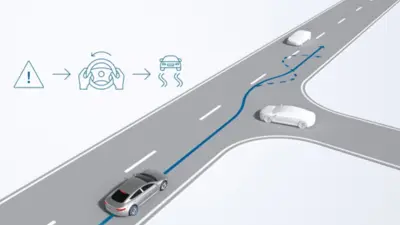
The ESP system uses sensors, including wheel-speed sensors, a steering angle sensor, and a yaw rate sensor to compare the driver’s intended direction with the vehicle’s actual movement.
When a discrepancy is detected, the system immediately applies individual braking to specific wheels to help keep the vehicle on its intended path.
This improved vehicle control can contribute to smoother acceleration and more stable power delivery, even when performing an emergency maneuver to avoid an obstacle. Similar technologies are also incorporated into various Bosch driving innovations in ASEAN developed for the regional market.
The Impact of ESP on Reducing Accident Risk: Data and Facts
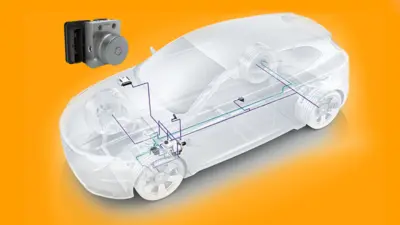
Data provides clear evidence of the technology’s effectiveness in reducing accident risk. A study by the National Highway Traffic Safety Administration found that passenger vehicles equipped with stability control were 49% less likely to be involved in a fatal single vehicle crash.
Another study recorded an 88% reduction in vehicle loss of control incidents when ESP was active compared with vehicles without the system, while 34% more drivers were able to maintain full control of their vehicles.
These figures highlight the role of modern vehicle control technology in improving vehicle stability and helping save lives on the road.
Supporting Technologies That Improve Vehicle Performance and Efficiency
Beyond ESP, engine performance can also be optimized through electronic fuel management systems that help improve fuel efficiency without compromising power.
Vehicle energy efficiency is further enhanced by sensors that continuously monitor engine conditions in real time, helping your vehicle use fuel more efficiently while maintaining optimal performance over the long term.
More reliable components, such as a high quality car battery, also help support the stability of these electronic systems, as discussed in the article driving performance and comfort with a quality car battery.
How to Choose and Maintain Your Vehicle Safety Systems
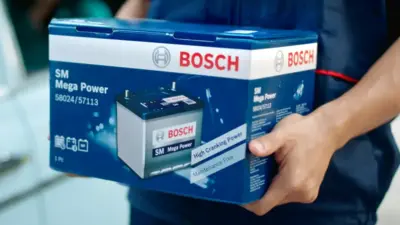
To ensure proven performance across different driving conditions, regularly inspect your ABS sensors, car battery, and braking system at an authorized service center. Routine inspections can help detect early signs of damage before they affect driving safety.
After sales services such as Bosch Car Service and the Mobility Aftermarket program provide genuine replacement parts and certified technicians to help keep your vehicle performing at its best.
Conclusion
Modern vehicle technologies such as ESP have been statistically shown to improve vehicle control, reduce accident risks, and support a more comfortable everyday driving experience.
The combination of smart sensors, independently controlled braking systems, and reliable components helps make every journey safer and more efficient. Investing in regular maintenance of these safety systems is a practical step toward protecting you and your family on the road.
FAQ: Frequently Asked Questions
What is the Electronic Stability Program (ESP)?
Electronic Stability Program (ESP) is an electronic system that detects sign of vehicle skidding and automatically corrects the vehicle’s direction through individual wheel brain to help maintain stability.
Is ESP Required on All Vehicle?
In various countries, including the United States, Electronic Stability Control (ESC) has been mandatory on new vehicles since the 2012 model year, and its adoption continues to expand globally.
How Can I Tell If My Vehicle Has Active ESP?
Check the ESP indicator light on your dashboard or consult an authorized service center to confirm that the system is functioning properly.